
History of the Jazz Loft
In 2026 we celebrate our 10 year anniversary!
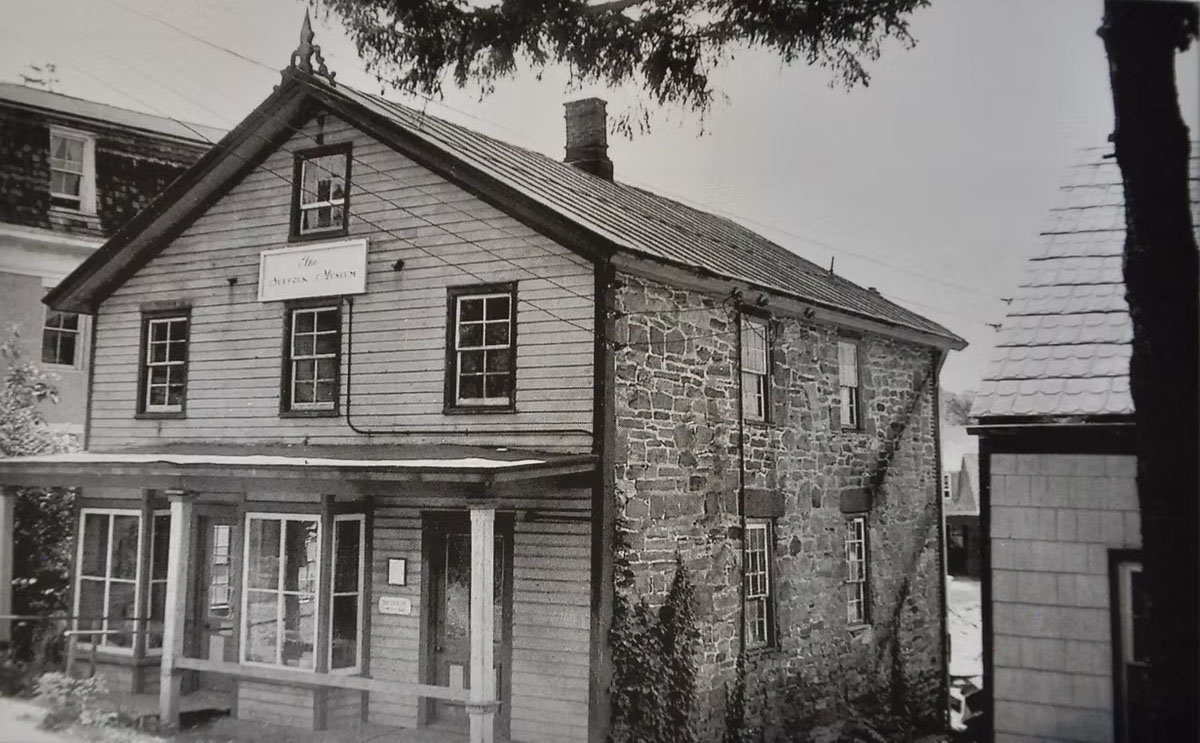
The original use of this old building is not fully clear. Also known as the Stone Jug, it may have been a home or merely a storage facility for Jonas Smith. Later called Union Hall, over the years it served many purposes, including a general store, a tinsmith shop, and a factory for the manufacture of “lawn tennis shoes”. In 1886, a frame addition was constructed at the rear or west end of the building, greatly expanding its use, as it then faced two sides of the town triangle intersection. As late as 1941 the Odd Fellows hall was on its left and the Mills House on its right. Directly behind it once stood the garage to the Oakes-Dickerson House.
In the early 1930s, O.C. Lempfert, avid hunter and taxidermist along with Dr. Winifred Curtis established a natural history museum comprised of hunting trophies and specimens which were displayed at friend Archie Rayner’s home. The neighborhood children were being brought to see this collection as early as 1935 on Saturdays and naturalist Robert Murphy o, of R.C. Murphy Jr. High School, led some of the nature walks. When the Rayner home was sold in 1939, Dr. Curtis appealed for help from Mrs. Ward Melville to find a new location for the collection. Persuaded by Mrs. Melville, the collection was moved to the empty building known as the Stone Jug, owned by local pharmacist Charles J. Zimmerlein. The Little Museum in the Jug as it came to be called, was formally incorporated as the Suffolk Museum on December 28, 1939 and the museum was quoted in regard to the move saying, “The move was no small task since by that time the collection include a 400-pound loggerhead turtle, an eagle with a 6-foot wingspread, a trumpeter swan, and hundreds of small collection items.”
In 1941 the Stone Jug was moved and attached to the original Stony Brook firehouse to create the Suffolk Museum. Philanthropist and visionary Ward Melville designed the blueprint for Stony Brook Village which was meant to be a walking Williamsburg. Melville not only built the town and the museum but also designed the Three Village School district and donated the land and was instrumental in planning for what would become Stony Brook University.
In 1951, the museum evolved into the Suffolk Museum and Carriage House. In 1976, it became the Museums at Stony Brook and, in 2000, the Long Island Museum of American Art, History, and Carriages.
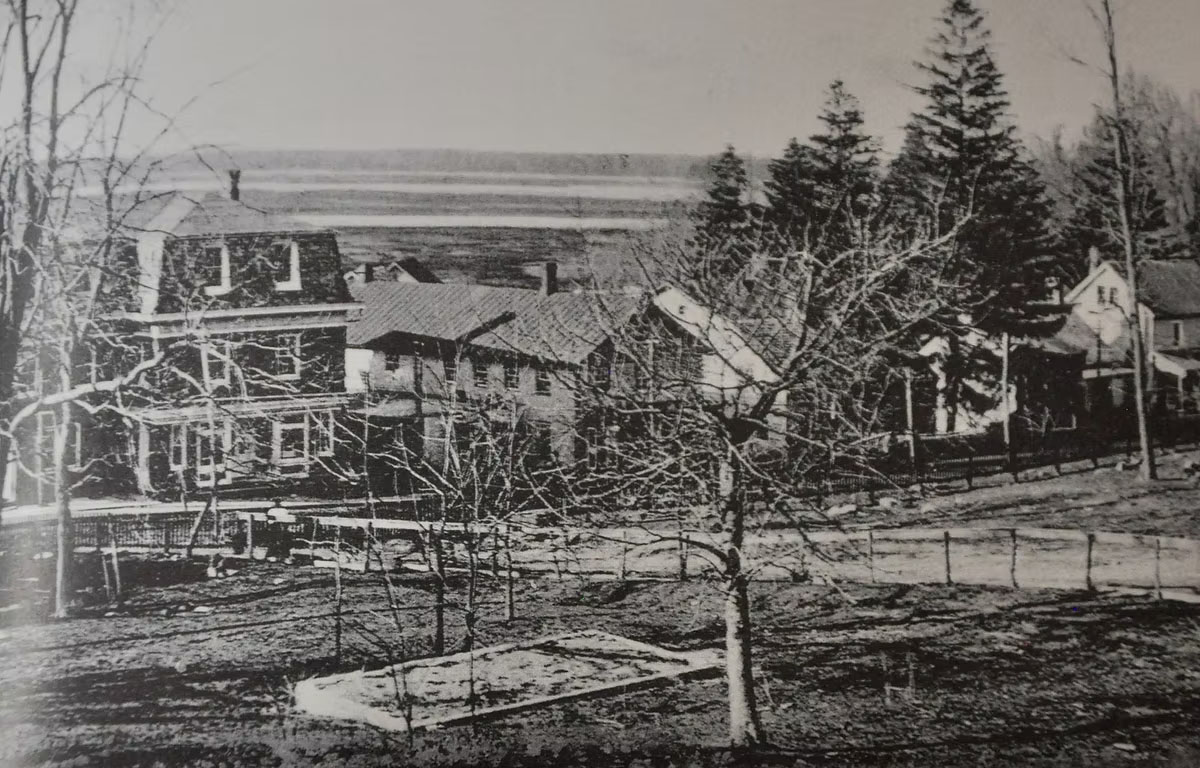
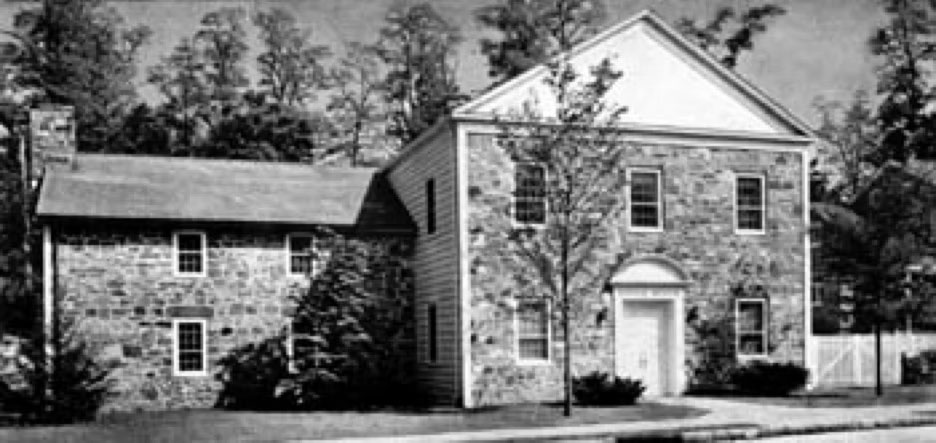
After the move up the road to larger facilities the original Suffolk Museum operated as the Garden Exchange for over three decades. After sitting idle for over a decade it was completely renovated and became The Jazz Loft in the spring of 2016.
Landmark status of The Jazz Loft was unanimously approved by the Town of Brookhaven in September 2016. This structure holds great cultural and architectural significance not just to our local community, but to the Long Island region, state and nation having been a functioning and usable space by the communities inhabitants since the late 18th century during the Culper Spy Ring throughout 250 years of culminating events right up till today.
The Jazz Loft’s mission is one of Jazz preservation, education, and performance, and has quickly become the premier destination for all things Jazz. Presenting a full performance calendar of local, national and international artists in our period 1940s second floor performance space the Loft also has an extensive education program. Our Pre College Jazz Institute in collaboration with Stony Brook University offers training in jazz theory, performance and masterclass settings to outstanding high school musicians. Our Young at Heart program offers music therapy presentations for those with memory loss and their caregivers. A monthly lecture series and scheduled family concerts round out our community outreach endeavors which are due in part to an outstanding team of sponsors and community leaders. The Jazz Lofts final mission point is that of preservation which is alive and well and on view 24/7 in our 6,000 square feet of original jazz memorabilia spanning 100 years of the American born art form celebrating not only the music, but art and photography as well throughout our many galleries.